

The feds have just dropped the hammer on foreign meat companies conning consumers into believing their products are made in the good ol' USA.
Back in 2015, former President Barack Obama signed the Consolidated Appropriations Act in response to a World Trade Organization ruling that U.S. mandatory country-of-origin labeling — or COOL — law broke WTO rules. Canada and Mexico believed the law was no more than a thinly veiled attempt to convince U.S. consumers that foreign beef was inferior.
The act immediately repealed COOL, specifically removing beef and pork muscle cuts and ground beef and pork from the list of covered commodities subject to the regulation.
But then things took somewhat of a crazy turn.
In response to the demise of mandatory COOL, many U.S. Big Meat producers labeled their wares a “Product of USA.”
But as it turns out, foreign meat entering the U.S. also qualified for “Product of USA” labeling if the meat passed through a USDA-inspected plant, if it meets one of two conditions:
“(1) if the country to which the product is exported requires this phrase, and the product is processed in the United States, or (2) the product is processed in the United States.”
Trim a little fat. Repackage. Rinse and repeat. And voila, foreign beef is branded “Product of USA.”
Come Jan. 1, 2026, the scam is over after USDA's Food Safety and Inspection Service published in the Federal Register a final rule that should put an end to the shenanigans.
As announced, the rule will “generically approve” the use of voluntary “Product of USA” or “Made in USA” labels only for meat, poultry, and egg products derived from animals born, raised, slaughtered and processed in the United States.
The rule also covers multi-ingredient FSIS-regulated product if:
- All FSIS-regulated products in the multi-ingredient product are derived from animals born, raised, slaughtered, and processed in the United States.
- All other ingredients, other than spices and flavorings, are of domestic origin.
- And the preparation and processing steps for the multi-ingredient product have occurred in the United States.
The final rule becomes effective on May 17 with compliance required by January 2026. As a cherry on top of its good ol' USA sundae, FSIS also updated its Guideline for Labeling Approval to reflect the new regulations.
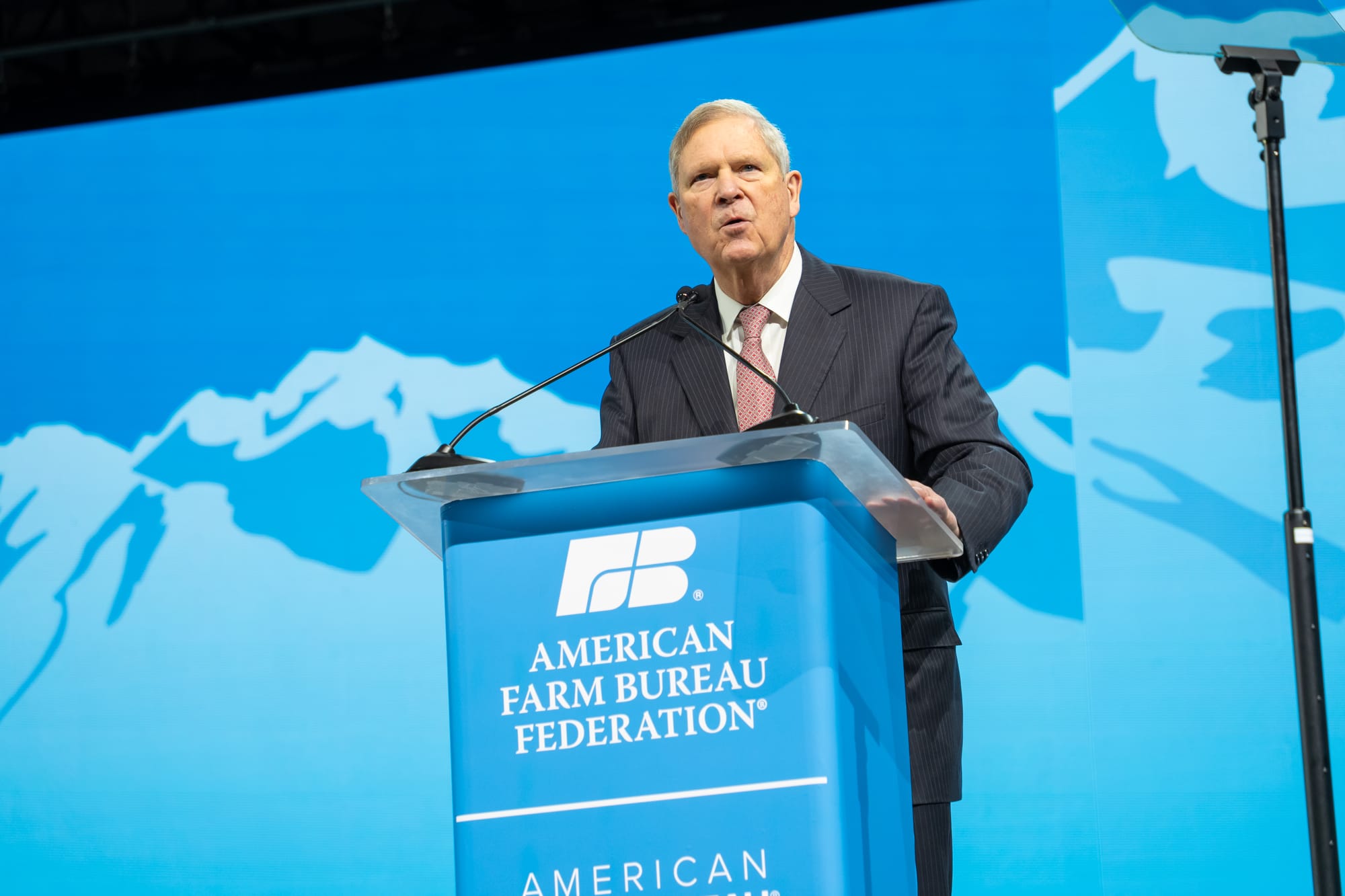
After the rule was published in the Federal Register, USDA Secretary Tom Vilsack took something of a victory lap, noting:
“American consumers expect that when they buy a meat product at the grocery store, the claims they see on the label mean what they say. These proposed changes are intended to provide consumers with accurate information to make informed purchasing decisions. Our action today affirms USDA’s commitment to ensuring accurate and truthful product labeling.”
You can bet Canada and Mexico ain’t buying what Vilsack is cookin’.
Canada has already said as much. And Mexico has gone even further, suggesting challenges forthcoming at the WTO or rules under the United States-Mexico-Canada Agreement.
Anyone who has followed Big Meat learns early that every issue is a struggle to the death. I expect nothing less of the new voluntary “Product of USA” labeling regulations. Expect both Canada and Mexico to litigate well in advance of the mandatory 2026 start date.
